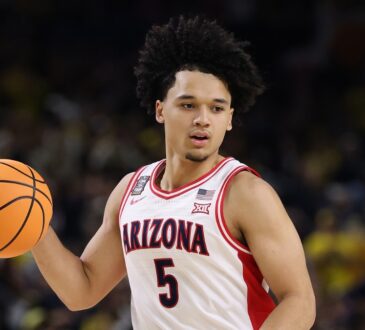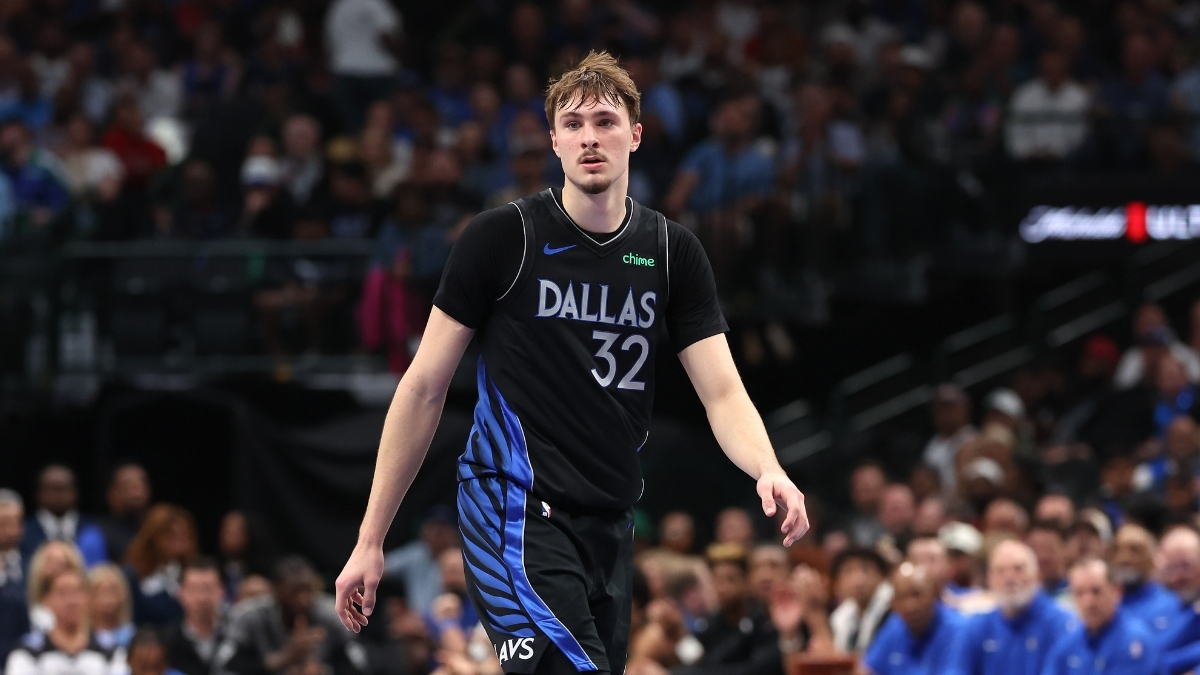
Cooper Flagg averaged 21.0 points, 6.7 rebounds, and 4.5 assists in his rookie season. He put up 51 points against the Orlando Magic on April 3, followed by 45 two days later against the Los Angeles Lakers. He won Rookie of the Year. And yet none of that felt like the full story of what happened to the Dallas Mavericks this year — because the season was never really about the numbers. It was about a franchise in free fall, finding something to hold on to.
A Rebuild Nobody Planned For
When the Luka Dončić trade went through in February 2025, the reaction across the basketball world ranged from disbelief to outrage. The Mavericks had just been to the NBA Finals in 2024. Dončić was 25 years old. Trading him to the Lakers — for Anthony Davis, of all players — felt like the kind of move that ends front office careers.
What happened next surprised almost everyone. Dallas finished 26-56, won the draft lottery, and selected Flagg with the first overall pick. Masai Ujiri was hired as president of basketball operations. Jason Kidd was let go. Mike Schmitz, 35 years old and a former ESPN draft analyst, was named general manager. In the span of about six months, the franchise’s entire identity had shifted.
The wait between seasons is long. Polish fans following the Mavericks fill the offseason the same way everyone else does — and for those looking for licensed online entertainment, meanwhile, polskie-kasyno-online.pl is one of the more comprehensive local guides available.
What Cooper Flagg Actually Did
The easy thing to do with a Rookie of the Year winner is to lead with the highlight reel. Flagg has plenty of highlights. The 51-point game against Orlando will live in Dallas lore for a long time. But what matters more for understanding where the Mavericks are going is the kind of player Flagg showed himself to be, not just the individual ceiling moments.
He was the third Maverick in franchise history to win Rookie of the Year, joining Jason Kidd (1994–95) and Luka Dončić (2018–19). That company is worth noting. Both of those players became cornerstones of Dallas teams that competed deep into the playoffs. Kidd anchored a young Mavericks team before they eventually traded him; Dončić built a different kind of legacy before the franchise ended that chapter abruptly.
Flagg’s situation feels different from both. He’s entering a rebuild designed around him from the start, under a front office that specifically wants to build a long-term winner rather than chase short-term results. The Ujiri–Schmitz combination brings credibility from their work in Toronto and Portland, respectively, and both have articulated a patient, development-first approach.
The Questions That Still Need Answering
A 26-56 season followed by a Rookie of the Year winner is a good story. It’s not yet a plan. There are real structural questions hanging over the Mavericks heading into 2026–27.
The Anthony Davis chapter is already closed. Acquired as the centerpiece of the Dončić deal, Davis played barely a dozen games before a torn ligament in his left hand shut him down, and Dallas moved him to the Washington Wizards at the February trade deadline in a package built around cap flexibility and draft capital rather than win-now value. “When healthy” had been the operative phrase for much of his career, and the Mavericks ultimately decided they could not wait to find out. The move cleared significant money off the books and signaled, as plainly as any single transaction could, that the front office had committed fully to building around Flagg.
The backcourt still needs reshaping. D’Angelo Russell went out the door alongside Davis at the deadline, and the deal brought back rotation pieces and draft capital rather than a long-term answer at guard. Kyrie Irving, recovering from a torn left ACL, remains the most important backcourt variable heading into 2026–27. The Mavericks need shooting, ball movement, and playmaking around Flagg — the kind of supporting-cast construction that either accelerates a rebuild or stalls it at the wrong moment.
The head coaching search will define the next several years as much as any personnel decision. Whoever Ujiri and Schmitz hire will be responsible for Flagg’s development during his most formative NBA seasons. That’s not a job description for a placeholder. It requires someone with a defined offensive system, genuine credibility with young players, and the tactical flexibility to grow alongside a roster that isn’t yet fully assembled.
Why This Rebuild Feels Different
NBA rebuilds are common. Patient, well-constructed rebuilds are not. The difference usually comes down to whether the front office has the courage of its convictions and whether the ownership group gives them enough runway to execute.
In Dallas, the signals so far are encouraging. Hiring Ujiri — who built the Toronto Raptors into a championship team over the better part of a decade — signals genuine ambition rather than short-term optics management. Drafting Flagg and committing to a young core rather than swapping out for veterans suggests that Patrick Dumont‘s ownership group understands the process that actually produces sustainable winning.
The 2025–26 season was painful for Dallas. A 26-56 record is a lot of losses. The good news is that most of them came with Flagg on the floor, which means the franchise has a clear baseline. They know what they have. They know what they need. And they now have the organizational structure to go get it.
Whether Flagg becomes the kind of franchise player who defines a decade of Mavericks basketball or another promising young talent who gets traded before his prime — the way Dončić did, the way Kidd did — will be the central question of the next three to four seasons in Dallas. Based on everything the 2025–26 season showed, the trajectory is pointed in the right direction.
Looking Ahead
The 2026–27 season will tell us considerably more than this past one did. A full offseason of Ujiri’s decision-making, a new head coach, and a second year for Flagg to add to his game will sharpen the picture significantly.
For now, the most accurate summary of where Dallas stands is this: the franchise is in better shape than it appeared to be a year ago, led by a player who has already shown he belongs in the conversation about the league’s best young talent, and guided by a front office that seems to understand the difference between building a team and assembling one. That’s a foundation. What gets built on it is still to be determined. According to NBA.com’s official franchise history and records, Dallas has reached the Finals just once since their 2011 championship. The franchise is betting that Flagg is the player who changes that.