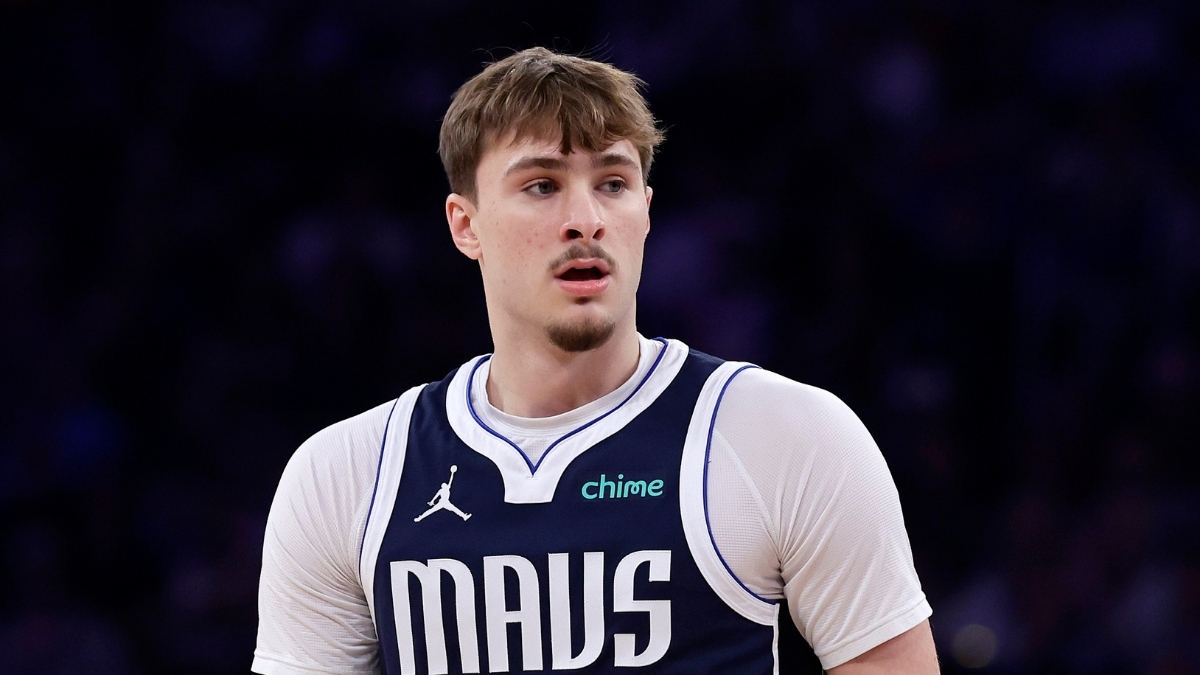
The Dallas Mavericks are 19-34 with one game remaining before the NBA All-Star break. They sit 12th in the Western Conference. They entered the season with playoff expectations and one of the league’s more aggressive roster timelines. Those facts are difficult to reconcile for a franchise that reshaped itself twice in less than 12 months.
Jason Kidd remains on the sideline. The front office does not look the same. The roster certainly does not. And the organization has now made its clearest statement yet about direction.
The question facing ownership is no longer what went wrong. It is whether this reset — triggered by the Anthony Davis trade — provides a sustainable path forward into the 2026-27 season.
A Season That Slipped Away
At 19-34, Dallas has spent most of the year chasing traction it has not found. The early instability that followed former general manager Nico Harrison’s November dismissal set the tone. The roster never settled, and injuries compounded the turbulence.
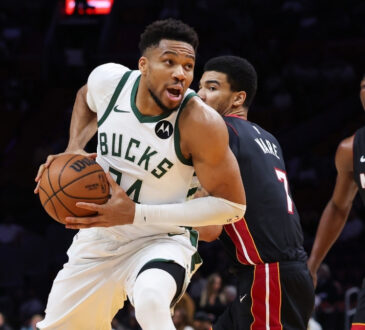
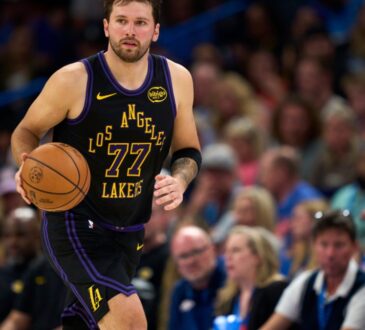
Anthony Davis, acquired last year in the trade that sent Luka Dončić to the Los Angeles Lakers, never became the stabilizing force Dallas envisioned. He has been sidelined since mid-January with a torn ligament in his left hand. Surgery is not required, but the absence came during a stretch in which Dallas needed continuity most.
By early February, speculation intensified. The franchise’s pivot came in a nine-player, three-team trade with Washington and Charlotte that effectively closed the Davis chapter.
The Anthony Davis Trade Signals a Shift
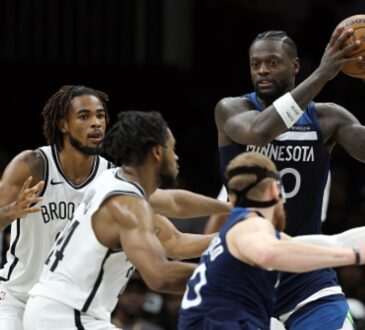
The deal sent Davis, Jaden Hardy, D’Angelo Russell and Dante Exum to Washington. Charlotte acquired Malaki Branham.
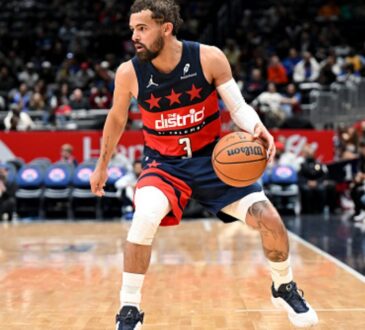
Dallas received Khris Middleton, AJ Johnson, Tyus Jones, Marvin Bagley III, a 2026 first-round pick (via Oklahoma City), a 2030 first-round pick (via Golden State), and three future second-round selections.
The transaction is more than a roster reshuffle. It is a directional reset.
The Mavericks moved on from the centerpiece of last year’s Dončić trade and added draft capital in the process. Just as notably, all of the incoming veterans are set to become free agents this summer, preserving long-term flexibility.
The message is clear: this team is building around Cooper Flagg.
Markets Reflect the Reset
Dallas’ 19-34 record and roster turnover have reshaped expectations in betting markets. Bettors tracking sports betting odds have seen the Mavericks transition from preseason playoff projections to a team priced closer to the lottery tier in Western Conference matchups.
Against-the-spread performance has mirrored the volatility. Futures pricing has drifted accordingly, reflecting uncertainty rather than contention.
At the same time, individual markets have trended in the opposite direction.
Cooper Flagg’s player prop lines and award odds have tightened after consistent production through the first half of the season. While team futures have lengthened, Flagg’s individual valuation has strengthened — a divergence that underscores the franchise’s current identity: struggling collective, ascending cornerstone.
Cooper Flagg Is the Foundation
Flagg has averaged 20.4 points, 6.6 rebounds and 4.1 assists in 49 games this season while the Mavericks have struggled to a 19-34 record entering the All-Star break. He is shooting 48.2% from the field and 80.4% from the free-throw line while logging more than 34 minutes per night.
The Mavericks hold one genuine foundational asset that projects into next season and beyond despite their position near the bottom of the Western Conference standings. Cooper Flagg, the No. 1 overall pick, recently dropped 49 on Charlotte, setting the all-time record for points by a teenager in an NBA game. At 19, he already produces like a mid-tier All-Star candidate.
His statistical profile is not empty production. His true shooting percentage sits at 56.0%, and he has maintained efficiency despite increased defensive attention. The volume has scaled without erosion.
He remains 19 years old.
The Davis trade clears the developmental runway further. Frontcourt minutes are no longer split between timelines. The organization’s roster math now aligns with its stated direction.
Draft Capital Restored — Carefully
Before the trade, Dallas’ future flexibility was constrained. Now, the 2026 first-round pick (via Oklahoma City) and 2030 protected first-round pick (via Golden State) provide assets that can either be deployed or preserved.
The Mavericks no longer face the binary decision of trading their own remaining controllable selections to chase immediate contention. The front office has optionality.
Optionality with added draft capital matters more than splash.
The 2026-27 season should not be built on urgency. It should be constructed on sequencing — accumulating pieces that complement Flagg’s timeline rather than accelerate it artificially.
Kyrie Irving’s Status Looms
All of the veterans acquired in the Davis trade are free agents this summer. That includes Tyus Jones and Khris Middleton, both of whom offer short-term competency but no long-term guarantee.
The larger variable remains Kyrie Irving’s return from ACL surgery and the organization’s appetite for committing significant salary again.
Dallas cannot afford to repeat the cycle of high payroll without structural stability. The next cap sheet must be intentional, not reactive.
Front Office Permanence Is Critical
Interim leadership defined much of this season. Sustainable recovery requires permanence.
Whether Dallas promotes internally or hires externally, the 2026-27 blueprint must originate from a front office empowered to make multi-year decisions without hesitation.
Interim regimes protect flexibility. Permanent ones create direction.
What 2026-27 Should Actually Look Like
By October 2026, Dallas needs three measurable benchmarks:
- A permanent general manager with aligned coaching leadership.
- A roster structured around Flagg’s strengths — spacing, versatility, and pace.
- Preserved draft capital or young rotational talent acquired through disciplined trades.
The franchise cannot afford another season where payroll exceeds performance. Nor can it afford to mismanage the developmental arc of a player producing 20.4 points per game before his 20th birthday.
The Anthony Davis trade was not a minor correction. It was an admission.
Dallas is no longer trying to validate last year’s gamble. It is trying to build the next one correctly.
The path upward now requires precision. The path downward requires only complacency.